
Streaming has become the heart of modern entertainment. People expect instant access to movies, shows, and live events without interruption. Yet buffering, lag, and drops in quality still frustrate viewers. In smart theaters, where the goal is to create an immersive cinematic experience at home, these issues stand out even more. This is where artificial intelligence steps in to transform the experience. AI-driven systems analyze, adapt, and optimize performance in real time, giving audiences the smooth, high-quality playback they crave.
AI and Real-Time Data Processing
At the core of AI’s effectiveness is its ability to process massive amounts of data instantly. Every second, streaming platforms deal with variables such as internet speed, device performance, and server load. Traditional systems treat these factors in general ways, but AI personalizes the response. By analyzing your network conditions in real time, AI can adjust resolution or bit rate without interrupting playback. This ensures a more stable stream even when bandwidth fluctuates. The result is fewer pauses and a more reliable experience.
Predicted Algorithms for Stability
Buffering often happens when systems cannot react quickly enough to changes in network speed. AI uses predictive algorithms to anticipate these shifts before they cause interruptions. By recognizing patterns in internet usage or bandwidth drops, AI preloads content or adjusts quality levels in advance. This proactive approach prevents delays and keeps the stream running smoothly. For viewers in smart theaters, it means staying immersed in the story rather than waiting for a spinning icon.
Personalized Streaming Experiences
AI is not just about preventing buffering; it also tailors the experience to the viewer. By learning from your preferences, viewing habits, and device capabilities, AI can deliver optimized settings automatically. If your setup includes a 4K projector and surround sound, AI ensures that content is delivered at the highest quality possible for your system. For smaller devices or slower networks, it balances quality with speed. This unique adaptability creates a viewing experience that feels customized without requiring manual adjustments.
Enhanced Visual and Audio Quality
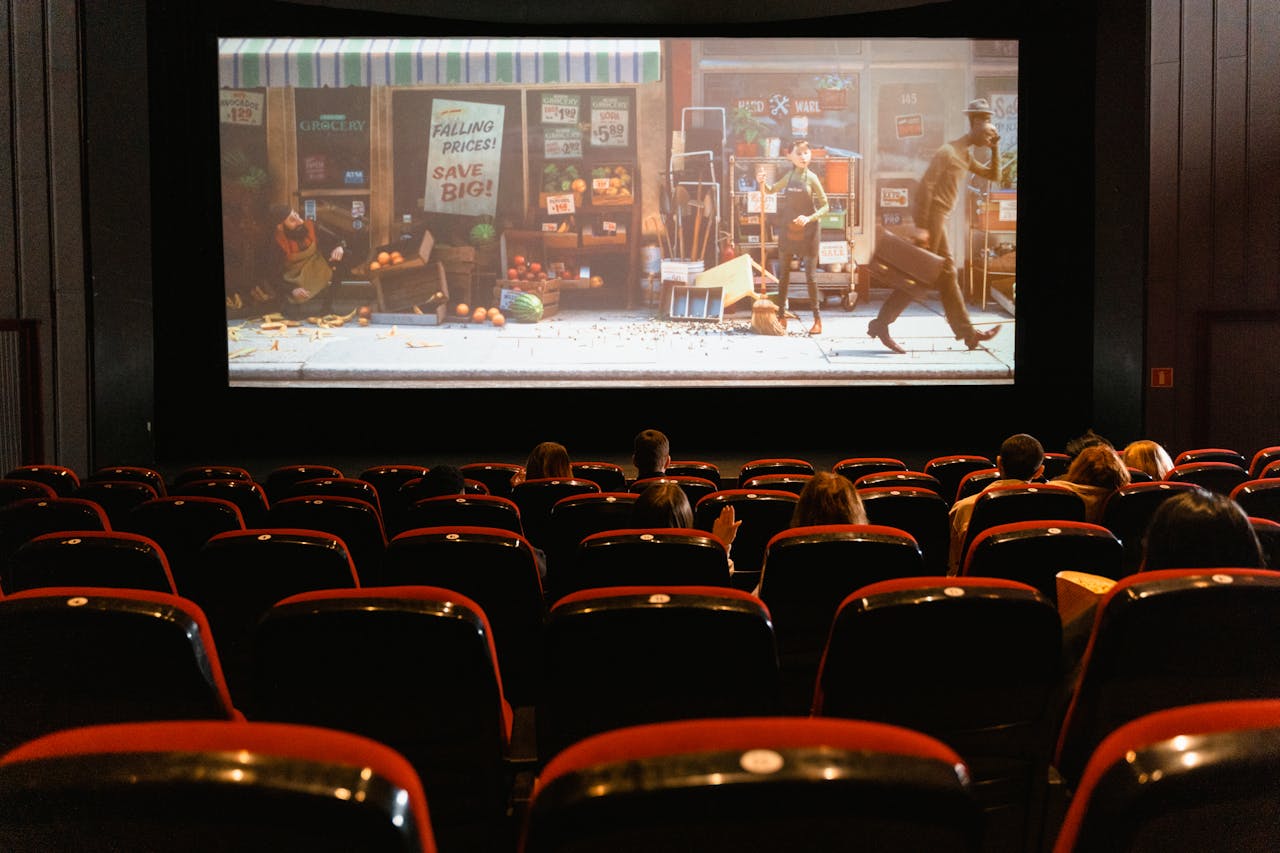
Smart theaters aim to replicate the cinema experience at home, and AI plays a role in elevating both picture and sound. AI-powered upscaling sharpens visuals, enhances colors, and smooths motion to create more lifelike images. On the audio side, AI filters background noise, balances levels, and fine-tunes sound distribution for immersive output. These improvements happen dynamically, meaning you do not need to adjust settings constantly. Together, they ensure that the viewing experience matches the expectations of high-end home theater systems.
Balanced Load Across Networks
Another way AI reduces buffering is through smarter network management. Instead of relying on a single data path, AI distributes streaming loads across multiple routes or servers. This reduces congestion and improves overall efficiency. If one server is overloaded, AI quickly reroutes traffic to a less busy one without interrupting playback. For households with multiple users streaming simultaneously, this capability is vital. It ensures everyone enjoys a smooth experience, whether watching movies, gaming, or attending virtual events.
The Future of AI in Smart Theaters
The evolution of AI in streaming is still unfolding. Emerging technologies such as edge computing and 5G will amplify its effectiveness. Imagine AI systems that instantly adapt streams in ultra-high definition while minimizing latency to near zero. For smart theaters, this means not just better quality but also new possibilities such as interactive content and real-time collaboration. The utmost potential of AI lies in creating an experience that feels effortless, allowing technology to fade into the background while entertainment takes center stage.
As AI becomes more integrated into streaming, concerns about privacy and data use naturally arise. AI systems learn from user behavior, which requires analyzing viewing patterns and network activity. Reputable platforms use encryption and anonymization to protect this data. Users must also understand how their information is handled to make informed choices. The goal is to balance innovation with safety. Transparency and proper safeguards ensure that AI enhances streaming without compromising trust.